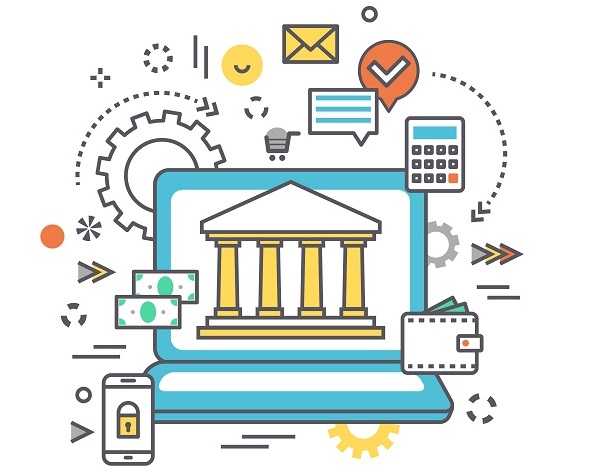
With open banking, banks will allow third-parties to "plug" into bank's data and infrastructure and to build applications. As the platform business, banks also manage the rules for how much third-parties can play, and set the standards for acceptable business practices. A bank can be the platform business at the center of an ecosystem, connecting private and business customers with the bank's services and with the services of third parties. A bank has different types of customers with different needs, but all can have their needs met inside the ecosystem. Through APIs – application programming interfaces- third parties can build and provide services on top of bank's infrastructure. An open API is an easily accessible interface that gives web and mobile developers access to customer data. This means that open API may be used by both developers inside the organization that published the API, or by any developer outside the organization who wish to register for access to the interface. With APIs, banks can create an umbrella for new services developed by the bank itself or by third parties. When services are provided by third parties, the bank's cost and risk in developing and launching new products are reduced, as is the time to market. In transitioning to open banking, "Bank A" opens its APIs to third-party applications and services. Services may include, and are not limited to, payments, lending, shopping, and transportation. For "Bank A", it is worth remembering that many of the third-party services connecting with the bank through APIs may also be connected to "Bank B" and other banks. The new reality leads to not only new opportunities for incumbent banks, but also to new challenges and implications that banks will have to overcome. Why should retail banks embrace open banking or be sidelines?